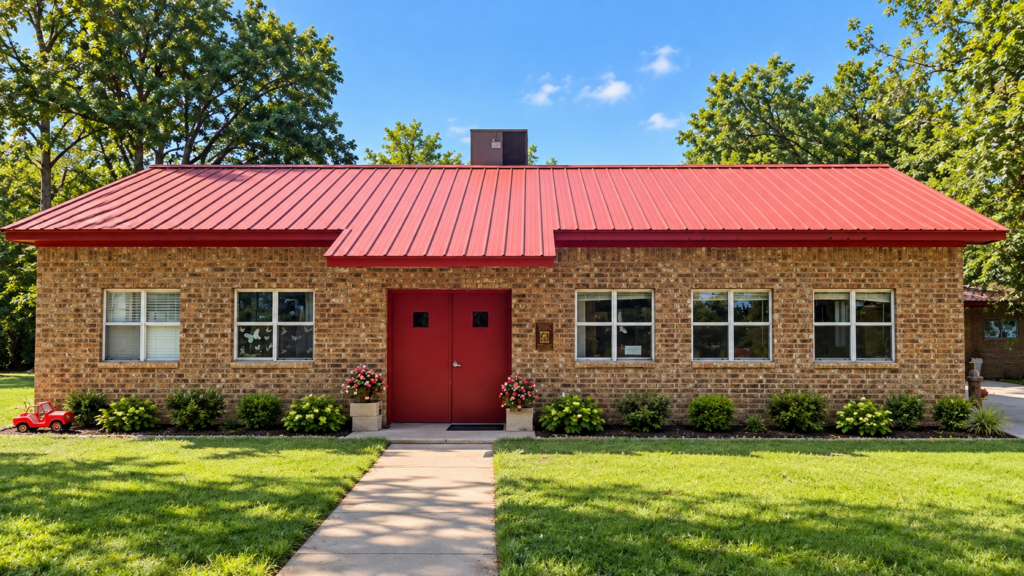
When unexpected closures of the UT University Charter School (UTUCS) campuses at Laurel Ridge and High Point Treatment Centers eliminated their positions last year, Marlene Ehrsam and Rosario Martinez had every reason to leave the district. Instead, both chose to stay and to make real personal sacrifices to keep serving the charter school’s students.

Today Ehrsam teaches Life Skills together at a newly formed UTUCS campus at Hope House in Liberty Hill, a facility that has been in operation more than 50 years. Their students are nonverbal or minimally verbal students with profound intellectual disabilities, ages 7 through 21. Ehrsam started in June and Rosario Martinez came in July to help get the campus established. They created the Life Skills classroom themselves, moving their own materials and buying supplies out of pocket so the doors could open on time.
The sacrifices didn’t stop there. Ehrsam, who has spent 14 years with the district as a lead special education teacher and instructional coach, now rents an apartment near Hope House during the week and drives home to Bulverde each weekend. Martinez, a former occupational therapy assistant and certified teacher who spent three years at High Point, commuted 109 miles each way from San Antonio — 218 miles round trip — every single school day for nearly three months.
“We lost a lot of amazing teachers with the unexpected campus closures last year, but keeping Marlene has been a saving grace for me,” said Maricela De La Cruz, Ed.D., their former principal at Laurel Ridge and High Point, who connected Ehrsam and Martinez to the opportunities at Hope House. “Neither of them had to make that choice. They made it because of their commitment to these kids and to our mission.”
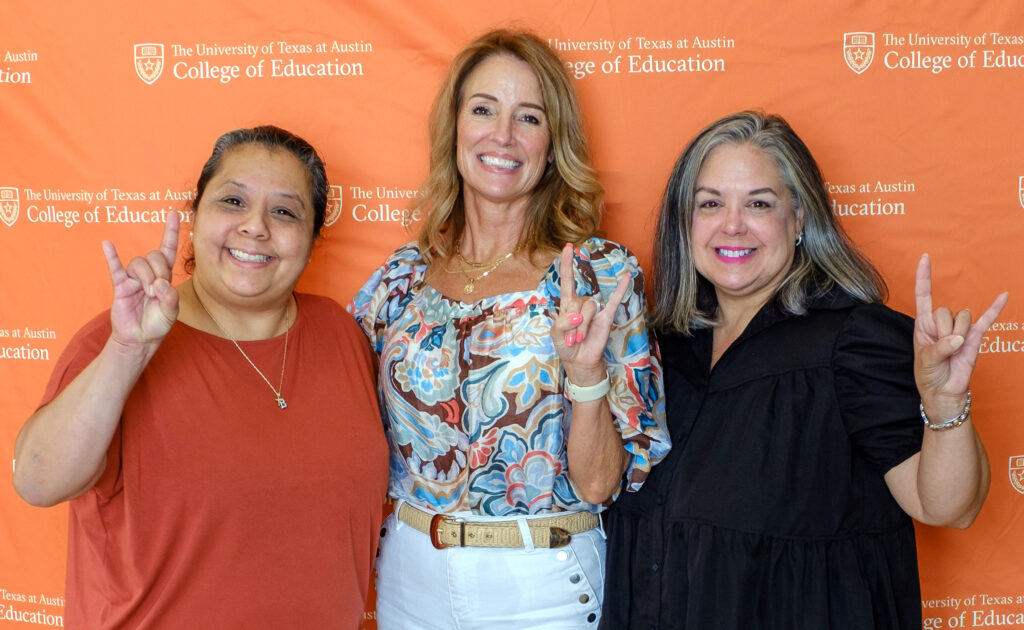
Meeting Students Where They Are
The commitment Ehrsam and Martinez made to get Hope House going has been tested from day one. Many students came from horrific backgrounds; some had been caged, two trafficked. When Ehrsam and Martinez first met them, the children were withdrawn. Several would simply lie on the floor, unused to so much attention. Behaviors were intense: throwing objects, stimming behaviors, and, in one case, a girl Martinez first mistook for aggressive. “She just has incredible strength,” Martinez recalled. “Staff tried to intervene as she approached me, but she came to kiss me on the cheek.”
It took a full month to build rapport with the class, and with one student even longer. By late August, however, students were settling into chairs and engaging in center activities, quieter and calmer.
The teachers use Trauma-Informed Learning and the Neurosequential Model® like every other UTUCS campus. At Hope House they meet students exactly where they are.
“No one here expects a fifth-grade student doing fifth-grade curriculum,” Ehrsam said. Because the special-education curriculum wasn’t a fit, the two built their own from pre-K and kindergarten TEKS. Lessons focus on holding a writing tool, placing a peg in a hole, or pushing in a chair. Even small strides are real victories worthy of much praise.
They are also teaching self-regulation, giving students tools they can use themselves: take a walk, sit in a soft spot, breathe. And they’ve become partners to Hope House’s caregivers, who are trained in behavioral intervention rather than education but have come to see the teachers as allies.
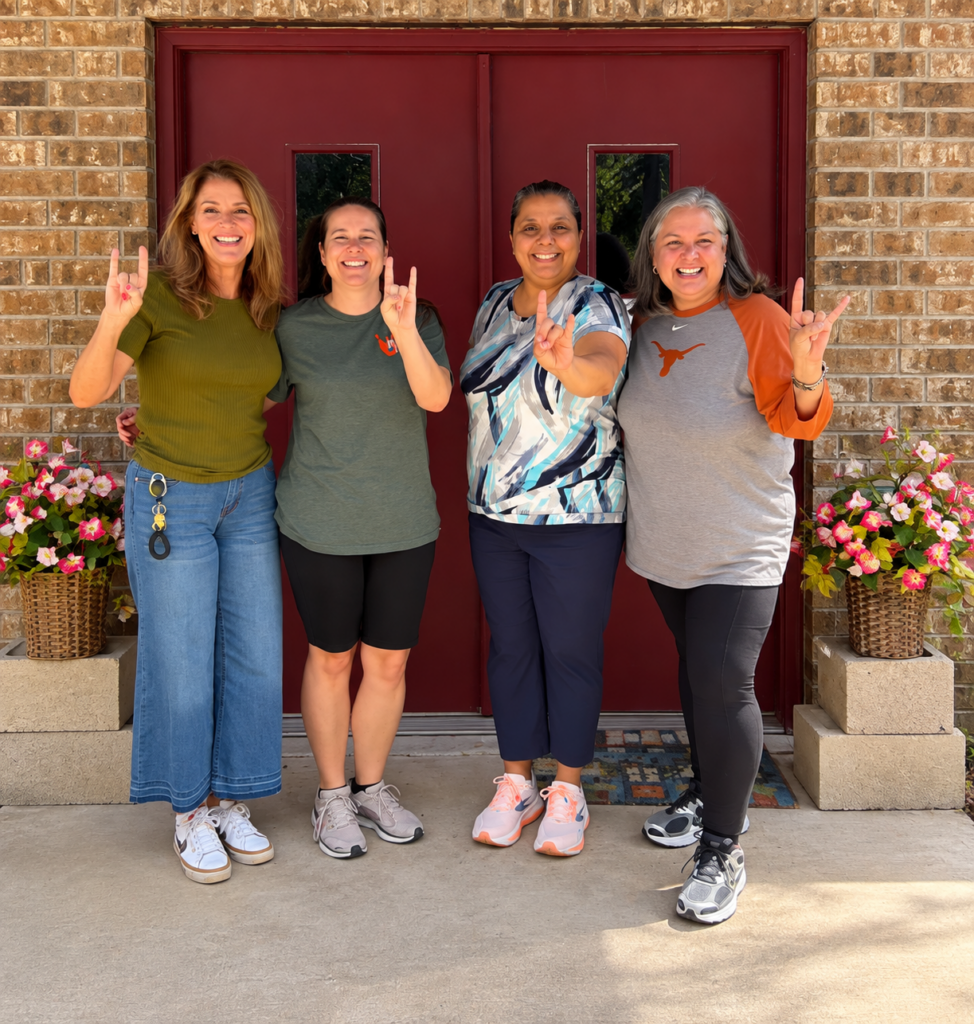
Asked why they went to Hope House located so far from their homes, both women point to each other and to the culture at UTUCS and the other schools under UT Public Schools.
“Marlene was one of my mentors when I started,” said Martinez. “At UT Charter School, we rely on each other.”
“Working at UT Charter School is so great because it is all about the students,” said Ehrsam. “It’s not only about testing or about making all A’s. At Laurel Ridge we would have kids say they hated school, but when it came time for them to leave, they wanted to stay.”
That same spirit is taking root at the Hope House campus. The long drives, the weeknights away from home and the supplies bought out of pocket add up to something that no test can measure: a classroom for children who face the toughest obstacles becomes a space where they are known, safe and expected to make progress.
About Hope House
Hope House is a forever home for children and adults with profound disabilities, founded in 1966 and on its Liberty Hill property since 1976. Though Hope House is 60 years old, this is the first year a school has operated there.