


Nicole Whetstone is superintendent for the UT Charter School System which includes UT Elementary School and UT University Charter School, that has 24 sites statewide at hospitals and rehabilitation and treatment centers. Whetstone has spent most of her life as a South Austinite. She earned her doctorate in Special Education from The University of Texas at Austin, her master’s degree in Curriculum and instruction from Northern Illinois University, and her bachelor’s degree in political science from Prairie View A&M.
You’ve been in education since 1999. Where did it all begin?
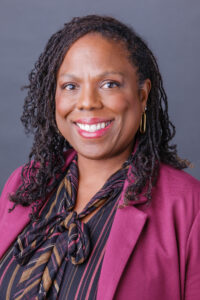
My first job was teaching a behavior class at Travis High School. I taught for eight years before moving into administration — three years at Travis, three at Akins, and two at Texas NeuroRehab Center, still a UT University Charter School site. I later became an assistant principal at Bedicheck Middle School, which is where I went to middle school. That was a full-circle moment.
I also spent seven years as administrator in special education at Austin ISD as well.
How did your path lead to becoming superintendent of the UT Charter School System?
When I came back to UT Charter School, I was hired as director of special education and principal. It was a dream job for me because I got to wear both hats — school administrator and special ed lead. In 2022, I became superintendent.
How do you see your role as superintendent compared to being a teacher or principal?
They’re really different roles, but for me it always comes back to the same thing: I’m a teacher. Whether I’m doing professional development or working with my team, I like coaching and training people. Even as superintendent, I sometimes step into roles that aren’t technically in my job description. When it comes down to hiring a teacher versus another curriculum position, the teacher wins every time, and I’ll fill in the gaps wherever I need to.
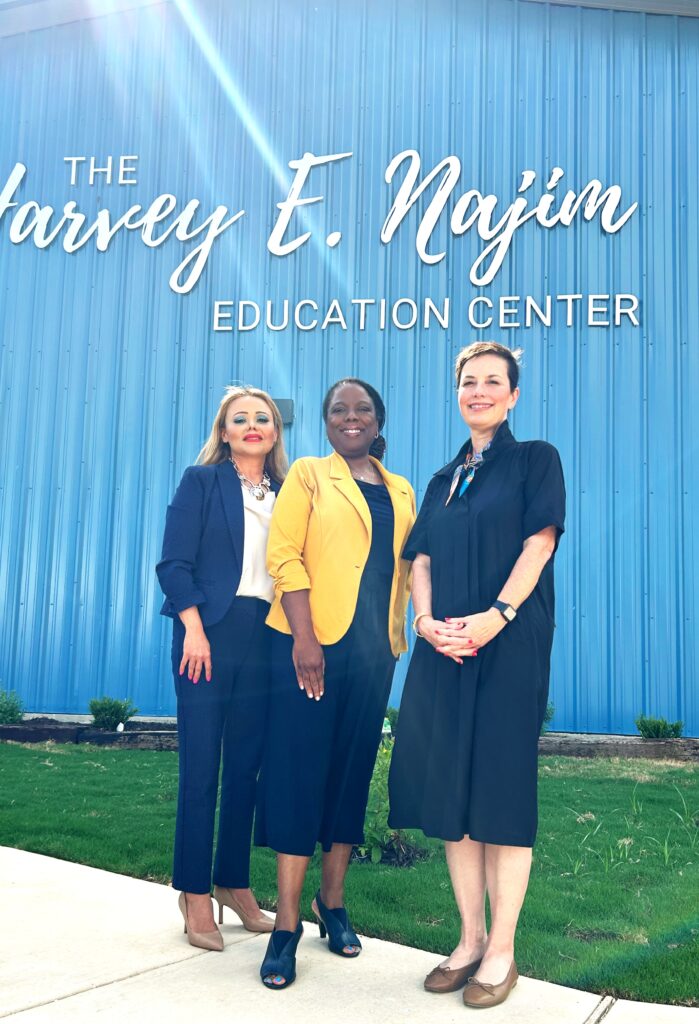
What makes UT Elementary and UT Charter School stand out?
At UT Elementary, there’s a genuine whole-child focus. With students who have historically been underestimated, the tendency is to hammer academics. But at UTES, we’re still doing music, we’re still doing art — even when finances and STAAR pressure make that harder. When I walk those halls, the kids are happy. It feels safe, physically and emotionally.
With UT Charter, I’m proud of how well we serve students with special needs. Our IEPs are well done. Even though our students are in some really difficult situations — residential treatment, foster care — we are still treating the whole child. The staff is genuinely invested in making sure school is a positive experience for these students.
I really enjoy the teams I work with. No one says, “That’s not my job.” If something is within their power to do it, they will do it even if not in their job description.
UT Charter operates 24 sites statewide. What does a typical site look like?
Each one is different, but the mission is the same. A place like Pathfinders has what I call a dream team — the staff works together beautifully and kids are thriving. I have a few campuses like that. At Settlement Home, I’ve seen students beaming because they’ve never made the honor roll or received an award before. We don’t suspend kids. Instead, we have ongoing conversations with the facility staff: how do we make this work for this student? Whether it’s a reading challenge or something else entirely, we figure it out together.
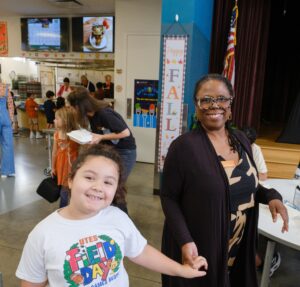
What’s on the horizon for UT Elementary and UT Charter School?
For UT Elementary, we can’t really expand, but we’ll continue to do the good work we’ve been doing.
For UT Charter School, I see the online program continuing to grow. Right now we have 176 students enrolled, with new enrollments every week. What’s unique is that we’re bridging the gap between living in a residential facility and returning to a traditional school. A lot of virtual programs don’t give kids the support they need — ours wraps success coaching and whole-child services around every student. This year, about 20 students are expected to graduate, in part because online school made finishing high school possible. We’re also combining our graduation with UT High School so students have the option to walk across a stage. That matters.
Is there anything you wish you had more of?
Time and resources to do research. I believe we have a lot of best practices and we’ve collected real data, but we don’t have the bandwidth to analyze it and write it up. I would love to spend more time highlighting our positive outcomes and sharing what we’ve learned with the broader education community. There’s a lot of good work happening here that deserves to be known.